Payroll Tax vs Income Tax: What’s the Difference?

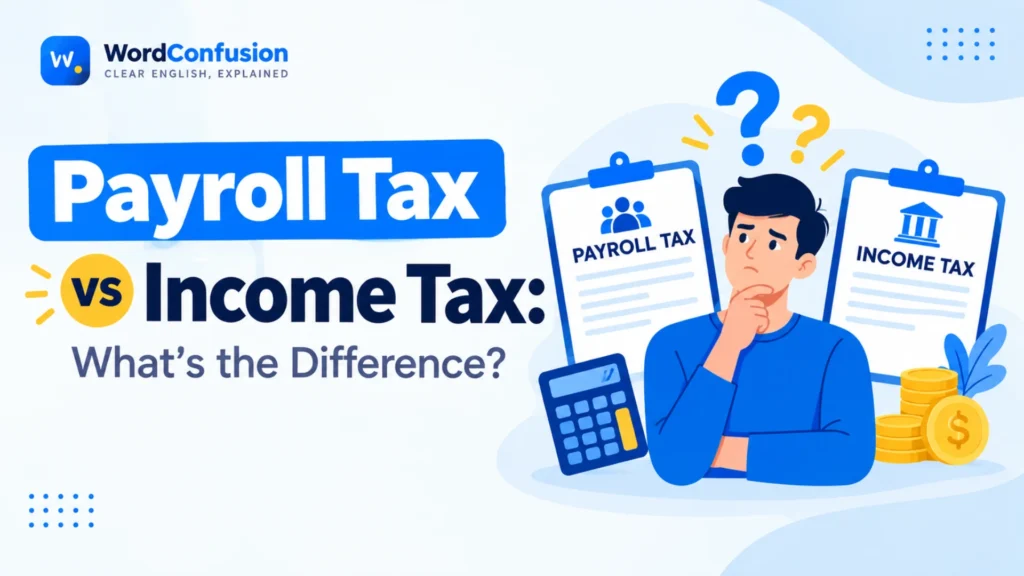
If you have employees or earn employment income in Australia, you may come across the terms payroll tax and income tax. Understanding payroll tax vs income tax is important because, although both are forms of Australian taxation, they apply to different things.
Income tax generally relates to a taxpayer’s taxable income, while payroll tax is generally an employer tax based on taxable wages. Payroll tax is administered by state and territory governments, so the applicable threshold and tax rate can depend on where the business operates.
The difference becomes easier to understand when you look at who pays each tax, what the tax is calculated on, and when a tax liability can arise.
Quick Answer: Payroll Tax vs Income Tax
Income tax is generally charged on taxable income. For an individual, this can include employment income and certain investment income after applicable deductions and other adjustments. Australian resident individuals may also be entitled to the tax-free threshold, depending on their circumstances.
Payroll tax is generally paid by eligible employers when their taxable wages exceed the relevant state or territory threshold. It is not a tax directly charged to an employee’s personal income. For example, in NSW, payroll tax is imposed on employers and calculated on taxable wages above the applicable threshold.
In simple terms, income tax focuses on taxable income, while payroll tax focuses on certain wages paid by employers.
Payroll Tax vs Income Tax at a Glance
| Tax | Generally applies to | Generally paid by | Main basis |
|---|---|---|---|
| Income tax | Taxable income | Individuals and businesses | Taxable income |
| Payroll tax | Certain employer wages | Eligible employers | Taxable wages |
The two taxes can therefore apply to the same business without being the same obligation. A business may have an income tax liability based on its business income and, if it meets the relevant requirements, a separate payroll tax liability based on taxable wages.
What Is Income Tax?
Income tax is a tax calculated on taxable income. For an individual, taxable income is generally worked out from assessable income after allowable deductions. This can include employment income, business income, investment income, and certain other amounts that must be reported.
For example, an Australian resident may receive a salary from employment, earn dividend income from investments, and claim an eligible tax deduction. These amounts and deductions can affect the person’s taxable income and eventual tax payable.
The Australian Taxation Office (ATO) uses information reported through a person’s tax return to determine their income tax position. Depending on the amount of tax already withheld and the taxpayer’s circumstances, the final result may be a refund or an amount payable.
Example of Income Tax
Suppose an Australian resident earns $80,000 in employment income during an income year and has an eligible deduction.
The deduction may reduce their taxable income. Their income tax is then calculated using the applicable tax rules rather than simply applying a single tax rate to their original salary.
This is important because Australia’s individual income tax system uses marginal tax rates. Moving into a higher marginal rate does not mean the higher rate applies to every dollar of income.
For the 2026–27 income year, the resident individual rates include 15% on the portion above the tax-free threshold up to $45,000, 30% from $45,001 to $135,000, 37% from $135,001 to $190,000, and 45% above $190,000, subject to the relevant rules.
What Is Payroll Tax?
Payroll tax is a state or territory tax generally paid by employers when their taxable wages exceed the applicable threshold.
This is one of the biggest differences between payroll tax and income tax. An employee does not normally pay payroll tax on their salary. Instead, the employer may have a payroll tax obligation based on the wages it pays or is liable to pay.
The rules are not identical throughout Australia. Each state and territory administers its own payroll tax system, including applicable thresholds, rates, exemptions, and other requirements.
For example, Revenue NSW states that payroll tax is imposed on employers and assessed on gross Australian wages paid or payable to employees. In NSW, the annual threshold for 2026–27 is $1.2 million, with a 5.45% rate applying to wages above the threshold.
Example of Payroll Tax
Imagine an Australian business grows quickly and its taxable wages become higher than the applicable payroll tax threshold in the state where it operates.
The business may then need to register, lodge payroll tax returns, and pay the amount calculated under that state’s rules.
The employee’s salary is still subject to the employee’s own income tax arrangements. Payroll tax does not replace the employee’s income tax.
For businesses operating across multiple states or territories, additional rules can apply when determining the relevant payroll tax liability.
Payroll Tax vs Income Tax: Key Differences
Although the names sound similar, payroll tax and income tax have several important differences.
| Difference | Payroll Tax | Income Tax |
|---|---|---|
| Who generally pays? | Eligible employers | Individuals and businesses |
| What is it based on? | Taxable wages | Taxable income |
| Government level | State or territory | Federal |
| Applies directly to employees? | Generally no | Yes, where their income is taxable |
| Thresholds | Vary between jurisdictions | Depend on the applicable tax rules |
| Main basis | Certain wages paid or payable by an employer | Income after applicable deductions and adjustments |
Who Pays the Tax?
Payroll tax is generally an employer obligation. An employer may need to pay it when its taxable wages exceed the relevant state or territory threshold.
Income tax can apply to individual taxpayers and businesses. For an individual, this could involve salary, investment income, business income, or other assessable amounts.
What Is Being Taxed?
The tax base is another major difference.
Payroll tax is concerned with taxable wages. Depending on the jurisdiction, the wages base can include amounts beyond ordinary salaries. For example, Revenue NSW lists salaries and wages, certain fringe benefits, employer super contributions, bonuses, commissions, contractor payments, and other amounts among payments that can be relevant to payroll tax.
Income tax is concerned with taxable income. For an individual, this generally involves assessable income less allowable deductions.
Where Does the Tax Apply?
Payroll tax is administered by Australian states and territories, so businesses need to check the rules that apply in the jurisdictions where they operate.
Income tax is part of Australia’s federal taxation system and is administered by the Australian Taxation Office.
Are the Thresholds the Same?
No.
Payroll tax thresholds are determined under state or territory rules. They can differ between jurisdictions and may also change over time.
Income tax has its own rules for thresholds, tax rates, deductions, offsets, and other factors. For example, the tax-free threshold available to most Australian resident individuals for a full income year is $18,200.
This is why a business should not assume that reaching one tax threshold automatically creates an obligation under another tax system.
Is Payroll Tax the Same as Income Tax?
No, payroll tax is not the same as income tax. They are separate taxes with different purposes, taxpayers, and tax bases.
Income tax is generally calculated on a person’s or business’s taxable income. Taxable income is broadly worked out by taking assessable income and subtracting allowable deductions.
Payroll tax, on the other hand, is a state or territory tax that can apply to employers based on their taxable wages. It is not simply another form of income tax paid by employees. Employers generally become liable when their taxable wages exceed the applicable threshold under the relevant jurisdiction’s rules.
The two terms are sometimes confused because both can arise from employment and business activities. However, an employer can potentially have both income tax and payroll tax obligations.
Having employees does not automatically mean that every employer owes payroll tax. Payroll tax thresholds, taxable wage rules, exemptions and other requirements vary between Australian states and territories.
How Does Payroll Tax Work in Australia?
Payroll tax is administered by Australia’s states and territories, rather than being one nationwide federal tax. Each jurisdiction has its own legislation, thresholds, rates and rules for determining taxable wages.
For a business, the first question is generally whether its wages fall within the payroll tax rules of the relevant jurisdiction. A business with employees working across different states or territories may need to consider where those wages are taxable and how interstate wages affect the applicable threshold.
Payroll tax thresholds are important because an employer may not have a payroll tax liability when its taxable wages remain below the relevant threshold. Once the applicable requirements are met, the business may need to register, lodge returns and pay payroll tax.
The rules can become more complicated when a business operates in multiple jurisdictions. For example, NSW uses nexus provisions to help determine where payroll tax applies when an employee works across different states or territories.
Simple Example
Small business:
A small business has taxable wages that remain below the applicable payroll tax threshold. Depending on the jurisdiction and other circumstances, it may not have a payroll tax liability.
Larger employer:
A growing business has taxable wages above the relevant threshold. It may need to register for payroll tax, lodge the required returns and pay the amount calculated under the applicable state or territory rules.
The exact threshold and calculation should always be checked against the jurisdiction where the business has payroll tax obligations.
How Does Income Tax Work in Australia?
Income tax is generally based on a taxpayer’s taxable income. For an individual, this can include employment income and other assessable income, while a business can have income from its business activities and other sources.
The basic relationship can be expressed simply:
Assessable income − allowable deductions = taxable income
The Australian Taxation Office explains that taxable income is used to work out how much income tax a taxpayer needs to pay. Allowable deductions reduce taxable income rather than directly reducing the tax bill by the same amount.
If you want to get a quick estimate based on your income, you can also use an income tax calculator to see how your taxable income may affect your estimated tax position. The result can vary depending on factors such as your residency status, deductions, offsets and other circumstances.
The calculation can differ depending on whether the taxpayer is an individual, company or another type of entity. A taxpayer’s circumstances can also affect their final tax liability.
For individuals, employment income is one common source of assessable income. Other examples can include interest, dividends, rental income and certain other payments.
Practical Example
An individual earns employment income during the financial year and has some eligible work-related expenses.
The individual’s assessable income is considered first. Eligible tax deductions are then taken into account to determine taxable income. That taxable income is used when determining the person’s income tax position.
This is different from payroll tax because payroll tax looks at an employer’s taxable wages under state or territory rules rather than the employee’s individual taxable income.
Payroll Tax vs PAYG Withholding
Payroll tax and PAYG withholding are both connected with employment, but they are not the same tax.
PAYG withholding is a system used to withhold amounts from certain payments, including salary and wages, so tax can be collected during the year. Employers may have PAYG withholding obligations when they make payments that are subject to withholding.
Payroll tax is different. It is a state or territory tax that can apply to an employer’s taxable wages when the relevant requirements are met.
| Term | Basic meaning |
|---|---|
| Payroll tax | State or territory tax that can apply to an employer’s taxable wages |
| PAYG withholding | Amount withheld from certain payments, including employee wages, for tax purposes |
The simplest way to remember the difference is that PAYG withholding involves amounts withheld from payments, while payroll tax is an employer tax based on taxable wages under state or territory rules.
Who Pays Payroll Tax and Who Pays Income Tax?
The answer depends on the type of taxpayer and the obligation involved. Not everyone connected with a payroll has the same tax responsibilities.
Employees and Individuals
Employees can have income tax obligations on their taxable income. Their employment income is generally included when working out their assessable income, subject to the applicable tax rules.
An employer may also withhold amounts from an employee’s payments under the PAYG withholding system. This does not mean the employee is paying payroll tax.
Employers
Employers may have several separate obligations.
They may need to withhold PAYG amounts from certain employee payments and meet other employer responsibilities. An employer may also have a payroll tax obligation if its taxable wages meet the applicable state or territory requirements.
Having employees alone does not automatically create a payroll tax liability. Thresholds and other jurisdiction-specific rules need to be considered.
Businesses
A business can have its own income tax obligations based on its taxable income. At the same time, an employer may have payroll tax obligations if its taxable wages reach the relevant threshold.
This means a business should not assume that income tax, payroll tax and PAYG withholding are interchangeable terms. They describe different parts of the Australian taxation system.
Common Misunderstandings About Payroll Tax vs Income Tax
1. Payroll tax is paid by employees
Payroll tax is generally an employer obligation, not a tax directly paid by employees on their personal wages. It is imposed by state and territory governments on employers when the relevant payroll tax requirements are met.
Employees can still have income tax obligations on their taxable income. Their employer may also withhold PAYG amounts from their payments.
2. Payroll tax and PAYG withholding are the same
They are different.
PAYG withholding involves withholding amounts from certain payments and paying those amounts to the Australian Taxation Office as part of the PAYG system. Payroll tax is a separate state or territory tax that can apply to an employer’s taxable wages.
3. Every employer has to pay payroll tax
Having employees does not automatically mean an employer must pay payroll tax.
Each state and territory has its own rules, including applicable thresholds and requirements. For example, NSW currently applies a payroll tax threshold and requires businesses meeting the relevant conditions to register and pay payroll tax.
4. Payroll tax is a federal tax
Payroll tax is not a single federal tax. It is administered by Australia’s states and territories, with differences between jurisdictions in areas such as thresholds, rates and taxable wages.
This is especially important for businesses operating in more than one state or territory.
5. Income tax only applies to employees
Income tax is not limited to employment income.
Individuals can have income from employment, investments, property and other sources. Businesses can also have income tax obligations based on their taxable income.
For an individual, taxable income is broadly calculated from assessable income after allowable deductions are taken into account.
Payroll Tax vs Income Tax at a Glance
The easiest way to remember the difference is to look at what is being taxed, who generally pays it and which level of government administers it.
| Question | Payroll Tax | Income Tax |
|---|---|---|
| What does it tax? | Certain employer wages | Taxable income |
| Who generally pays? | Eligible employers | Individuals and businesses |
| Is it federal? | No, state/territory administered | Generally federal |
| Does a threshold apply? | Yes, jurisdiction-specific | Different tax rules apply |
| Does it directly tax employee wages? | No | Employee income can be taxable |
| Same as PAYG withholding? | No | No |
Payroll tax therefore focuses on an employer’s taxable wage bill, while income tax focuses on the taxpayer’s taxable income. The two can exist at the same time without being the same obligation.
Frequently Asked Questions
Is payroll tax the same as income tax?
No. Payroll tax and income tax are separate taxes. Payroll tax can apply to an employer’s taxable wages under state or territory rules, while income tax is generally based on taxable income.
Who pays payroll tax in Australia?
Eligible employers generally pay payroll tax when their taxable wages meet the requirements of the relevant state or territory. The applicable threshold and other rules depend on the jurisdiction.
Do employees pay payroll tax?
Generally, no. Payroll tax is an employer obligation. Employees may have income tax obligations on their taxable income, and their employer may withhold PAYG amounts from certain payments.
Is payroll tax a federal tax in Australia?
No. Payroll tax is administered by Australia’s states and territories. The applicable rates, thresholds and rules can differ between jurisdictions.
What is the difference between payroll tax and PAYG withholding?
Payroll tax is a state or territory tax that can apply to an employer’s taxable wages. PAYG withholding involves amounts withheld from certain payments, including employee wages, for tax purposes. They are separate obligations.
Do all Australian businesses pay payroll tax?
No. Payroll tax obligations depend on factors such as taxable wages, the relevant jurisdiction and applicable thresholds. A business with wages below the relevant threshold may not have a payroll tax liability.
Can a business pay both payroll tax and income tax?
Yes. They are separate tax obligations. A business can have income tax obligations based on its taxable income and may also have payroll tax obligations if its taxable wages meet the relevant state or territory requirements.
Does payroll tax apply to every employee?
Not necessarily. Payroll tax is considered at the employer level based on taxable wages and the rules of the relevant jurisdiction. Specific exemptions and other rules can also affect which wages are included.
How is income tax different from payroll tax?
The main differences are who generally pays, what is being taxed and which government administers the tax. Income tax is generally based on taxable income and is primarily administered federally, while payroll tax can apply to employer taxable wages and is administered by states and territories.
Final Takeaway
The difference between payroll tax and income tax becomes much easier to remember when you focus on what each tax is based on.
Income tax → taxable income
Payroll tax → certain employer wages
Income tax can apply to individuals and businesses, while payroll tax can apply to eligible employers under state and territory rules. Payroll tax thresholds, rates and other requirements can vary depending on the jurisdiction.
If a business operates across multiple Australian states or territories, it may need to consider more than one set of payroll tax rules. Checking the requirements that apply to the business’s particular circumstances can help avoid confusing payroll tax with income tax or PAYG withholding.
Written by
 Abdul Moeed
Abdul Moeed is a professional content writer and SEO link-building specialist with 5+ years of experience. He creates search-optimized content and develops effective SEO strategies that improve website visibility, authority, and organic growth.
View LinkedIn profileLatest posts
 What Does PG Mean in Text? Meaning, Examples & Usage
 What Does OFCC Mean in Text? Meaning, Uses & Examples
 What Does MSG Mean in Text? Meaning, Examples & Usage
 What Does STY Mean in Text? Meaning, Examples & Usage
 What Does “Twin” Mean in Slang? Meaning, Text & Examples
 What Does LMC Mean in Text? Meaning, Examples & Usage