30+ Other Ways to Say “Have a Good Day” (Polite & Friendly)

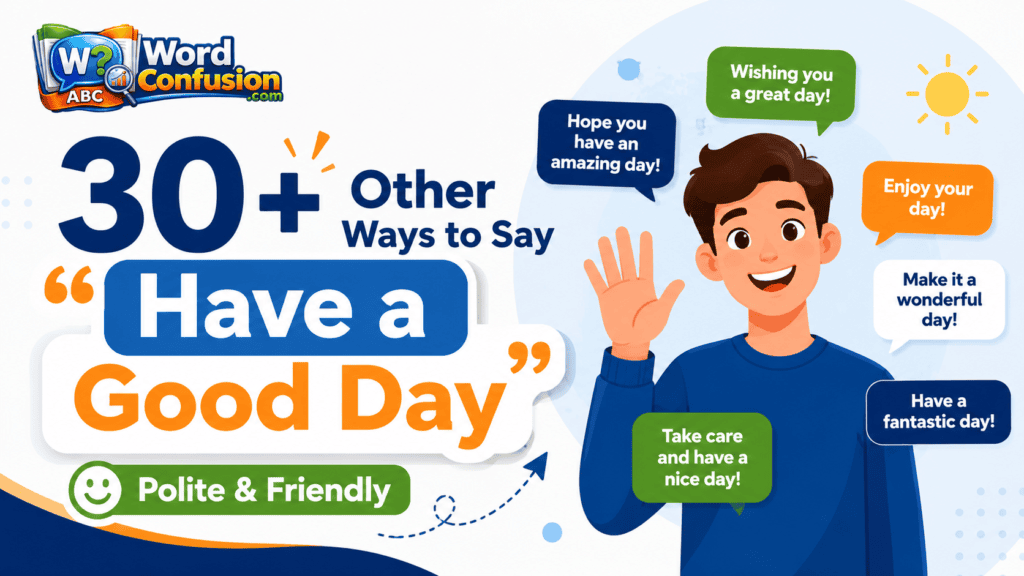
Sometimes, “Have a good day” is exactly right. It is polite, natural, and appropriate in most everyday and professional situations. But if you want to sound warmer, more professional, more casual, or simply avoid repeating the same phrase, there are plenty of alternatives.
Some of the best other ways to say “Have a good day” are “Have a great day,” “Enjoy your day,” “Have a wonderful day,” “Have a pleasant day,” “Enjoy the rest of your day,” “Hope your day goes well,” and “Take care.” The best choice depends on who you are speaking to and the tone you want to convey.
📖 See also:30+ Other Ways to Say “Safe Travels” (Formal, Warm & Casual)
Quick Answer: What Can I Say Instead of “Have a Good Day”?
Here are some natural alternatives:
- Have a great day.
- Enjoy your day.
- Have a wonderful day.
- Have a pleasant day.
- Enjoy the rest of your day.
- Hope your day goes well.
- Wishing you a great day.
- Have an excellent day.
- Have a productive day.
- Take care.
- Have a lovely day.
- Have a fantastic day.
- Have a good one.
- Enjoy your evening.
- Have a great weekend.
For professional situations, “Have a great day,” “Have a pleasant day,” “Enjoy the rest of your day,” and “Hope your day goes well” are especially useful.
What Does “Have a Good Day” Mean?
“Have a good day” is a common English farewell used to wish someone a pleasant day after an interaction.
It can be used when leaving a store, ending a conversation, finishing a phone call, replying to a customer, or closing an email.
Is “Have a Good Day” Professional?
Yes. “Have a good day” is polite and professional enough for many workplace and customer-service situations.
It has a neutral tone, which makes it versatile. You do not need to replace it simply because it sounds familiar or ordinary.
An alternative is useful when you want to make your message warmer, more formal, more personal, or more specific to the situation.
What Tone Does It Have?
“Have a good day” is generally:
- Polite
- Neutral
- Friendly
- Positive
- Appropriate for everyday communication
The adjective can change the feeling slightly:
| Phrase | General Tone |
| Have a good day | Neutral |
| Have a nice day | Friendly |
| Have a great day | Warm and upbeat |
| Have a wonderful day | Warm and enthusiastic |
| Have a pleasant day | Polite and somewhat formal |
| Have a productive day | Professional and work-focused |
30+ Natural Ways to Say “Have a Good Day”
Not every farewell below is an exact synonym. Some are direct alternatives, while others are related expressions that work in particular situations.
Professional & Polite Alternatives
1. Have a Great Day
Tone: Warm, positive, professional
Best for: Clients, coworkers, customers, and everyday conversations
“Have a great day” is probably the easiest replacement for “Have a good day.” It sounds slightly more enthusiastic without becoming overly formal.
Example:
“Thanks for your help today. Have a great day!”
2. Have a Pleasant Day
Tone: Polite and formal
Best for: Customers, clients, formal interactions
“Have a pleasant day” sounds more polished than “Have a good day,” although it can feel slightly formal in casual conversation.
Example:
“Thank you for visiting us. Have a pleasant day.”
3. Enjoy the Rest of Your Day
Tone: Warm and courteous
Best for: Emails, customer service, workplace conversations
This is particularly natural when part of the day has already passed.
Example:
“I’ve attached the documents you requested. Enjoy the rest of your day.”
4. Hope Your Day Goes Well
Tone: Friendly and thoughtful
Best for: Coworkers, clients, friends
This phrase focuses on the person’s experience rather than simply giving a standard farewell.
Example:
“Good luck with the presentation. Hope your day goes well!”
5. Wishing You a Great Day
Tone: Warm and polished
Best for: Emails, professional messages, and cards
“Wishing you a great day” is slightly more deliberate than “Have a great day.”
Example:
“Thank you for getting back to me. Wishing you a great day.”
6. Have an Excellent Day
Tone: Professional and positive
Best for: Customer service and formal workplace communication
“Excellent” creates a more enthusiastic tone, though it can sound a little more formal than “great.”
Example:
“Thank you for your patience. Have an excellent day.”
7. Have a Productive Day
Tone: Professional
Best for: Coworkers and workplace communication
Use this when the person is working or has tasks to complete.
Example:
“I’ll send the revised report this afternoon. Have a productive day!”
8. Hope Everything Goes Smoothly Today
Tone: Thoughtful and professional
Best for: Busy workdays, meetings, presentations, or important events
This is useful when you know someone has a challenging task ahead.
Example:
“Good luck with the client presentation. Hope everything goes smoothly today.”
9. Wishing You a Pleasant Day
Tone: Polite and somewhat formal
Best for: Business communication and customer-facing situations
It works well when you want to sound courteous without being overly enthusiastic.
Example:
“Thank you for contacting our support team. Wishing you a pleasant day.”
10. Enjoy Your Day
Tone: Friendly and natural
Best for: Coworkers, customers, friends, and everyday interactions
“Enjoy your day” is simple and flexible.
Example:
“Everything is ready for you. Enjoy your day!”
Friendly & Warm Alternatives
11. Have a Wonderful Day
Tone: Warm and enthusiastic
Best for: Friends, family, coworkers, and friendly professional interactions
Example:
“Thanks for stopping by. Have a wonderful day!”
12. Have a Lovely Day
Tone: Warm and gentle
Best for: Friends, family, coworkers, and friendly conversations
“Lovely” gives the phrase a softer and more personal feeling.
Example:
“It was great catching up with you. Have a lovely day!”
13. Have a Fantastic Day
Tone: Cheerful and enthusiastic
Best for: Friends, coworkers, and upbeat conversations
Example:
“Thanks again for your help. Have a fantastic day!”
14. Have an Amazing Day
Tone: Very warm and enthusiastic
Best for: Friends, family, social messages
This is more expressive than the neutral “Have a good day.”
Example:
“Enjoy your birthday plans and have an amazing day!”
15. Have a Beautiful Day
Tone: Warm and personal
Best for: Friends, family, or heartfelt messages
This phrase can sound more emotional or expressive than standard workplace English.
Example:
“Take some time for yourself today, and have a beautiful day.”
16. Take Care
Tone: Warm and caring
Best for: Friends, coworkers, and people you know
“Take care” is not a direct synonym for “Have a good day.” It is a broader expression of goodwill, but it can naturally replace a day-related farewell.
Example:
“Thanks for chatting. Take care!”
17. Have a Good One
Tone: Casual and friendly
Best for: Informal conversations
“Have a good one” is a shortened, conversational alternative. The missing noun is understood from context.
Example:
“Thanks for coming in. Have a good one!”
18. Enjoy the Rest of Your Day
Tone: Warm and courteous
Best for: Customer service, coworkers, clients, and casual conversations
This is particularly natural after midday.
Example:
“Thanks for the update. Enjoy the rest of your day!”
📖 See also:What Does EVB Mean in Text? Meaning, Examples & Usage
Casual Alternatives
19. Take It Easy
Tone: Casual and relaxed
Best for: Friends and familiar coworkers
It means something closer to “relax” or “don’t work too hard,” so it is not an exact synonym.
Example:
“I’m heading home. Take it easy!”
20. See You Later
Tone: Casual
Best for: Friends and coworkers you expect to see again
This focuses on the next meeting rather than wishing someone a good day.
Example:
“I’m off to lunch. See you later!”
21. Catch You Later
Tone: Very casual
Best for: Friends and informal conversations
Example:
“I’ve got to run. Catch you later!”
22. Talk Soon
Tone: Friendly and casual
Best for: Friends, coworkers, and people you communicate with regularly
Example:
“Thanks for the update. Talk soon!”
23. Have a Great One
Tone: Casual and upbeat
Best for: Informal conversations
Example:
“Thanks for stopping by. Have a great one!”
These casual expressions are useful when you want a more relaxed farewell, but they should not automatically be treated as professional alternatives.
Time-Specific Alternatives
Sometimes the most natural alternative is determined by the time of day.
24. Have a Wonderful Morning
Example:
“Thanks for calling. Have a wonderful morning!”
25. Have a Pleasant Afternoon
Example:
“Thank you for your time. Have a pleasant afternoon.”
26. Enjoy Your Afternoon
Example:
“I’ll send the details shortly. Enjoy your afternoon!”
27. Have a Lovely Evening
Example:
“It was nice speaking with you. Have a lovely evening.”
28. Enjoy Your Evening
Example:
“Everything is sorted now. Enjoy your evening!”
29. Have a Great Weekend
Example:
“Thanks for all your hard work this week. Have a great weekend!”
30. Enjoy the Rest of Your Week
Example:
“I’ll follow up with you on Monday. Enjoy the rest of your week!”
31. Have a Relaxing Evening
Tone: Warm and thoughtful
Example:
“You’ve had a busy day. Have a relaxing evening!”
📖 See also:Swifty or Swiftie: Which Is Correct? Meaning & Spelling
Professional Email and Business Closing Alternatives
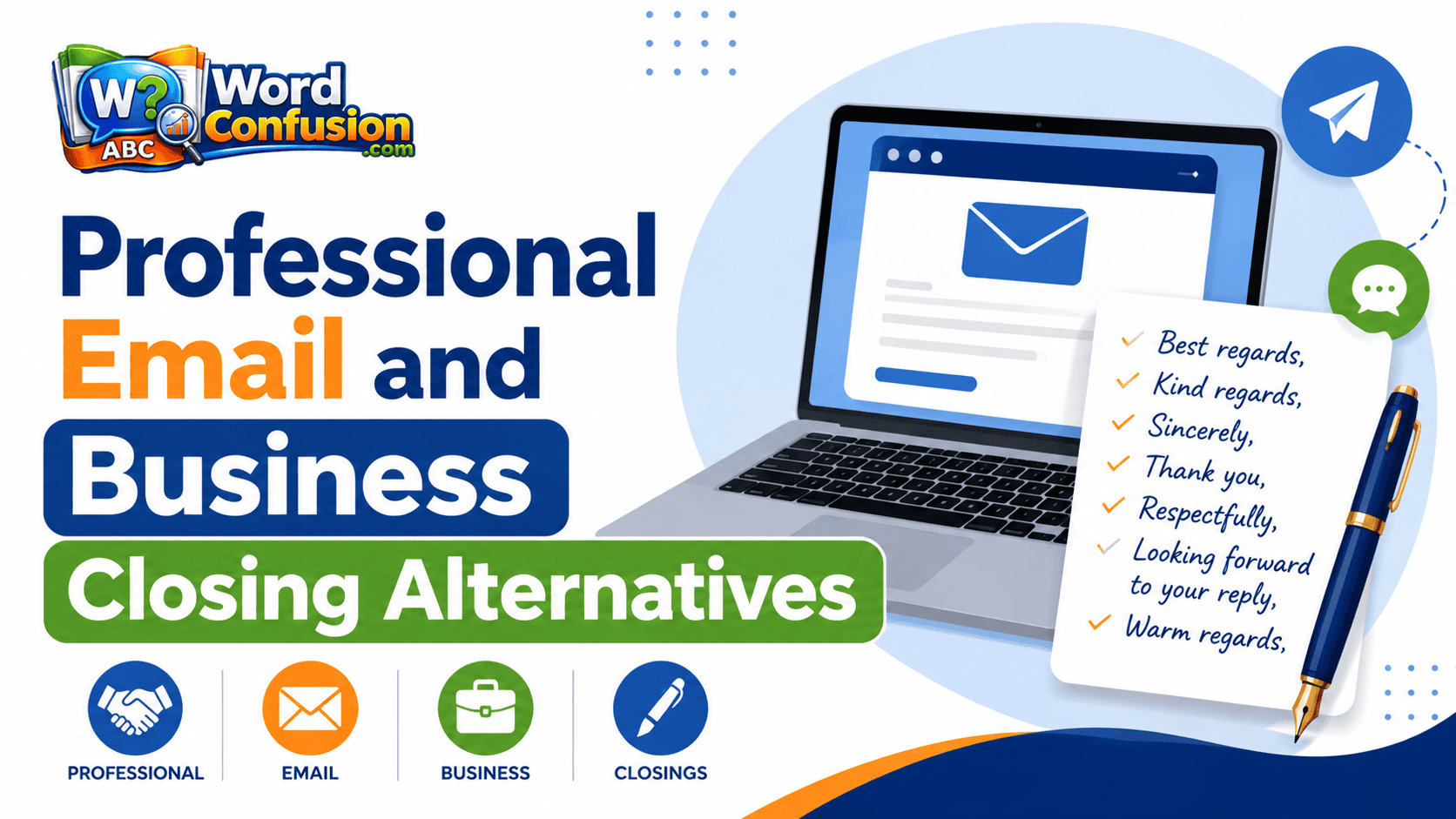
Some phrases are often described as alternatives to “Have a good day,” but they are actually email sign-offs or broader good-wishes expressions.
That distinction matters.
32. All the Best
A professional and friendly email closing.
Example:
“Thank you for reviewing the proposal.
All the best,
Jordan”
33. Best Wishes
A warm professional closing that works in emails and written messages.
Example:
“I appreciate your time and feedback.
Best wishes,
Jordan”
34. Kind Regards
A conventional professional email sign-off.
Example:
“Please let me know if you have any questions.
Kind regards,
Jordan”
35. Warm Regards
A slightly warmer professional sign-off.
Example:
“Thank you again for your assistance.
Warm regards,
Jordan”
36. Wishing You Continued Success
This is more specific and works particularly well in business communication when congratulating or encouraging someone.
Example:
“Congratulations on the successful launch. Wishing you continued success.”
Important Note
“Kind regards,” “Warm regards,” and “Best wishes” are not exact synonyms for “Have a good day.”
They are email closings.
Likewise, “See you later” is a farewell, while “Take care” is a broader expression of goodwill.
Understanding these differences helps you choose natural English rather than simply swapping words.
Best Alternatives by Situation
The right phrase depends on the person and setting.
| Situation | Best Choice | Why |
| Client | Have a great day | Professional but warm |
| Customer | Have a pleasant day | Courteous and polished |
| Coworker | Have a great day | Natural and friendly |
| Manager | Have a great day | Respectful and uncomplicated |
| Friend | Have a wonderful day | Warm and personal |
| Professional email | Enjoy the rest of your day | Natural and courteous |
| Customer-service email | Have a pleasant day | Polished and respectful |
| Networking | Have a great day | Friendly without being too casual |
| Workday | Have a productive day | Work-focused |
| Evening | Enjoy your evening | Time-specific |
| Weekend | Have a great weekend | More relevant than “Have a good day” |
What Is the Best Professional Way to Say “Have a Good Day”?
There isn’t one phrase that is best for every professional situation.
For most workplace interactions, “Have a great day” is the safest warm alternative.
For more formal customer-facing communication, “Have a pleasant day” works well.
If the conversation happens later in the day, “Enjoy the rest of your day” often sounds more natural.
If the person is working toward a task or deadline, “Have a productive day” can be appropriate.
📖 See also:WDP Meaning in Text: Definition, Examples & What to Reply
How to Say “Have a Good Day” in an Email
The best wording depends on the rest of the email.
Client Email
Thank you for taking the time to speak with me today. I look forward to hearing from you. Have a great day.
Customer Service Email
Thank you for contacting our support team. Please let us know if you need anything else. Have a pleasant day.
Coworker Email
I’ve attached the updated file for your review. Enjoy the rest of your day!
Manager Email
Thank you for your guidance on this project. Have a great day.
Networking Follow-Up
It was great speaking with you at the event. I hope we can stay in touch. Have a great day!
Meeting Follow-Up
Thanks for the productive discussion today. I’ll send the revised notes shortly. Enjoy the rest of your day.
“Have a Good Day” vs. “Have a Great Day” vs. “Have a Nice Day”
These phrases are all natural, but they have slightly different tones.
| Expression | Tone | Formality | Best Use |
| Have a good day | Neutral | Medium | Almost any situation |
| Have a nice day | Friendly | Medium | Everyday interactions |
| Have a great day | Warm | Medium | Professional and personal |
| Have a wonderful day | Enthusiastic | Medium | Friendly or warm interactions |
| Have a pleasant day | Polite | Medium–High | Formal/customer-facing settings |
Which One Should You Choose?
- Choose “Have a good day” when you want a simple, neutral farewell.
- Choose “Have a great day” when you want to sound slightly warmer.
- Choose “Have a pleasant day” when you want a more polished or formal tone.
- Choose “Have a wonderful day” when you want to sound especially warm.
- Choose “Enjoy the rest of your day” when the day is already underway.
Common Mistakes When Choosing an Alternative
1. Assuming “Have a Good Day” Is Unprofessional
It isn’t.
It is a normal and polite expression that works in many professional situations.
2. Using an Overly Formal Phrase With Friends
“Wishing you a pleasant day” is grammatically fine, but it may sound stiff in a casual text.
A friend would usually respond more naturally to:
“Have a great day!”
or:
“Have an amazing day!”
3. Treating Every Closing as a Synonym
“Kind regards” does not literally mean “Have a good day.”
It functions as an email sign-off.
Likewise, “See you soon” indicates a future meeting rather than wishing someone a pleasant day.
4. Ignoring the Time of Day
If it is 6 p.m., “Enjoy the rest of your day” or “Have a lovely evening” may sound more natural than “Have a wonderful morning.”
5. Choosing a Phrase That Is Too Enthusiastic
“Have an amazing day!” can sound perfectly natural in a friendly conversation, but it may be more enthusiasm than necessary in a formal business exchange.
Match the energy of your message to the situation.
How to Choose the Right Phrase
A simple rule can help:
Want neutral?
→ Have a good day.
Want slightly warmer?
→ Have a great day.
Want friendly?
→ Enjoy your day.
Want formal and polite?
→ Have a pleasant day.
Want warm and enthusiastic?
→ Have a wonderful day.
Talking about work?
→ Have a productive day.
It’s later in the day?
→ Enjoy the rest of your day.
Want a caring farewell?
→ Take care.
Ending a formal email?
→ Kind regards or Best wishes.
Frequently Asked Questions
What can I say instead of “Have a good day”?
You can say “Have a great day,” “Enjoy your day,” “Have a wonderful day,” “Have a pleasant day,” “Enjoy the rest of your day,” “Hope your day goes well,” or “Take care.” The best choice depends on whether you want a professional, friendly, casual, or formal tone.
Is “Have a good day” professional?
Yes. “Have a good day” is polite, neutral, and acceptable in many professional situations. It is commonly used with coworkers, customers, clients, and other people you interact with at work.
What is a formal alternative to “Have a good day”?
“Have a pleasant day” is one of the clearest formal alternatives. “Wishing you a pleasant day” is another option, particularly in written or customer-facing communication.
What is a professional way to say “Have a good day”?
“Have a great day,” “Have a pleasant day,” and “Enjoy the rest of your day” are all professional options. For an email sign-off, “Kind regards” or “Best wishes” may be more appropriate.
Is “Have a great day” better than “Have a good day”?
Neither is universally better. “Have a great day” sounds slightly warmer and more enthusiastic, while “Have a good day” is neutral and straightforward. Both are natural and appropriate.
What should I say to a client instead of “Have a good day”?
Try “Have a great day,” “Have a pleasant day,” “Enjoy the rest of your day,” or “Wishing you a great day.” Choose the one that matches the formality of your relationship.
What should I say to a coworker?
“Have a great day,” “Enjoy your day,” “Have a productive day,” and “Enjoy the rest of your day” all work naturally with coworkers.
How do I say “Have a good day” in a professional email?
You can write “Have a great day,” “Enjoy the rest of your day,” or “Wishing you a great day.” If you need a formal email sign-off rather than a day-specific wish, use “Kind regards,” “Best wishes,” or “Warm regards.”
Is “Take care” professional?
“Take care” can be used professionally, especially with coworkers, regular clients, or people with whom you have an established friendly relationship. In a highly formal email, “Kind regards” or “Best wishes” may be a better choice.
What can I say instead of “Have a nice day”?
You can say “Have a great day,” “Have a wonderful day,” “Enjoy your day,” “Have a pleasant day,” or “Enjoy the rest of your day.” The best choice depends on the tone you want.
📖 See also:Treck or Trek: Which Spelling Is Correct? Meaning & Examples
Final Takeaway
“Have a good day” is already a polite and perfectly natural English expression. You don’t need to replace it simply because it is common.
Use an alternative when you want to communicate a particular tone or fit the situation more closely. “Have a great day” is a versatile warmer option, “Have a pleasant day” sounds more formal, “Enjoy the rest of your day” works especially well later in the day, and “Have a productive day” fits workplace situations.
The best phrase isn’t necessarily the fanciest one. Choose the expression that sounds natural for the person, the relationship, the setting, and the moment.
Looking for more English word meanings, grammar tips, and commonly confused words? Visit the WordConfusion homepage to explore our latest language guides, spelling differences, vocabulary explanations, text abbreviations, and practical examples. Whether you’re learning English or improving your writing skills, you’ll find clear, easy-to-understand resources for everyday communication.
Written by
 Abdul Moeed
Abdul Moeed is a professional content writer and SEO link-building specialist with 5+ years of experience. He creates search-optimized content and develops effective SEO strategies that improve website visibility, authority, and organic growth.
View LinkedIn profileLatest posts
 What Does PG Mean in Text? Meaning, Examples & Usage
 What Does OFCC Mean in Text? Meaning, Uses & Examples
 What Does MSG Mean in Text? Meaning, Examples & Usage
 What Does STY Mean in Text? Meaning, Examples & Usage
 What Does “Twin” Mean in Slang? Meaning, Text & Examples
 What Does LMC Mean in Text? Meaning, Examples & Usage