DTTM Meaning in Text: What Does DTTM Mean in Chat?

Have you received a text that says “DTTM” and wondered what the sender meant? You’re not alone. Texting abbreviations can be confusing, especially when the same few letters can sound serious in one conversation and playful in another.
DTTM usually means “Don’t Talk To Me” in texting and online chat. It is an informal abbreviation that can express a desire for space, frustration, annoyance, or—among close friends—playful exaggeration. The exact tone depends on the conversation and relationship between the people involved.
📖 See also:GL Meaning in Text: What Does “GL” Mean in Chat?
Quick Answer: What Does DTTM Mean in Text?
DTTM means “Don’t Talk To Me.” In text messages, chats, and social media, people use it when they want someone to stop talking to them or give them some space. It can sound serious, annoyed, or playful depending on the context, punctuation, and relationship between the people chatting.
| DTTM | Meaning | Type | Tone |
| DTTM | Don’t Talk To Me | Texting abbreviation | Usually direct or informal |
If you’re learning other texting abbreviations, you can also explore WordConfusion’s guide to TF meaning in text for another example of how context changes the tone of online language.
What Does DTTM Stand For?
DTTM stands for “Don’t Talk To Me.”
It is an informal initialism used primarily in casual digital communication. Instead of typing the complete phrase, someone can use four letters to communicate the same idea quickly.
For example:
“DTTM right now. I’m really annoyed.”
Here, the sender is probably asking for some space.
Another example:
“You ate my last slice of pizza? DTTM 😂”
In this case, the phrase is probably playful rather than a serious request to end the conversation.
That difference is important. DTTM does not automatically mean the sender is angry with you. Context matters.
DTTM Meaning and Tone: What Does It Really Imply?
The words “Don’t Talk To Me” are direct, so DTTM can sound harsh. However, the intended tone can vary considerably.
1. Serious or Firm
Someone may use DTTM when they genuinely do not want to communicate at that moment.
Example:
“Please stop texting me. DTTM for a while.”
Here, the sender is clearly asking for space. The safest response is to respect the request rather than continuing to message them.
2. Frustrated or Annoyed
DTTM can also express irritation.
Example:
“My phone died, I missed the meeting, and now I’m late. DTTM 😭”
The sender may be frustrated with the situation rather than genuinely angry at the person receiving the message.
3. Playful or Dramatic
Close friends sometimes use DTTM jokingly.
Example:
“You finished the whole cake without me? DTTM 😂”
The message sounds dramatic, but the laughing emoji and context suggest that the person is joking.
4. Embarrassed or Overwhelmed
Someone might also use DTTM when they feel embarrassed or simply don’t have the energy to continue a conversation.
Example:
“I cannot believe I sent that to my boss. DTTM 😭”
In this situation, DTTM can be an exaggerated way of saying, “I don’t want to deal with anyone right now.”
The key rule
Never interpret DTTM from the abbreviation alone. Look at the surrounding messages, punctuation, emojis, and the relationship between the sender and recipient.
How Is DTTM Used in Texting?
DTTM is most appropriate in informal communication. You may encounter it in:
- Text messages
- Private chats
- Group chats
- Social media comments
- Direct messages
- Online communities
- Casual conversations between friends
For example:
Friend: “Are you coming to the party?”
You: “DTTM 😂 I’m still getting ready.”
The abbreviation can make a message shorter while also adding a particular emotional tone.
If you’re interested in how other abbreviations work in everyday digital communication, WordConfusion also covers SMD meaning in text, where context is especially important because the abbreviation can have different meanings.
DTTM Text Examples
Here are some realistic examples showing how DTTM can work in different situations.
Example 1: Asking for Space
Alex: “Can we talk about what happened?”
Sam: “Not right now. DTTM for a bit.”
Meaning: Sam wants some time alone before continuing the conversation.
Example 2: Playful Frustration
Mia: “I finished your fries.”
Lena: “DTTM 😭😂”
Meaning: Lena is jokingly pretending to be angry.
Example 3: Being Overwhelmed
Chris: “Want to talk?”
Jordan: “Honestly, DTTM. I’ve had a terrible day.”
Meaning: Jordan does not feel like talking and wants some space.
Example 4: Embarrassment
Taylor: “Did you really send that message to the wrong person?”
Morgan: “YES. DTTM 😭”
Meaning: Morgan is embarrassed and jokingly wants everyone to leave them alone.
Example 5: Genuine Anger
- Person A: “Why do you keep messaging me after I said no?”
- Person B: “I was just trying to explain.”
- Person A: “DTTM.”
Meaning: Here, DTTM is much more serious. The sender is directly telling the other person to stop contacting them.
Example 6: Friendly Banter
Friend 1: “I just beat your high score.”
Friend 2: “DTTM 😂”
Meaning: The sender is probably joking with a friend rather than seriously ending the conversation.
📖 See also:Other Ways to Say “All the Best”: 40+ Formal, Warm & Alternatives
Is DTTM Formal or Informal?
DTTM is informal.
It belongs to the style of shorthand commonly found in casual texting and online communication. It is not appropriate for most professional, academic, or formal writing.
| Situation | Is DTTM appropriate? |
| Texting a close friend | Usually |
| Casual group chat | Yes, depending on the group |
| Social media | Often |
| Chatting with someone you know casually | Sometimes |
| Message to a coworker | Generally avoid |
| Business email | No |
| Academic assignment | No |
| Message to a client | No |
In formal communication, write the actual message instead.
Instead of:
“DTTM.”
You could write:
“I need some time before we continue this conversation.”
That sounds clearer and more professional.
For more practical English usage guidance, you can also explore the broader English language guides on WordConfusion.
Is DTTM Rude?
It can be.
“Don’t Talk To Me” is a direct statement, so DTTM may sound rude, dismissive, or angry—particularly if you send it to someone you don’t know well.
However, the abbreviation isn’t automatically rude.
Compare:
“DTTM.”
with:
“DTTM 😂”
The first message can sound cold or serious. The second may be playful if it comes from a close friend after a harmless joke.
The surrounding conversation is therefore more important than the four letters by themselves.
When DTTM may sound rude
It can come across as rude when:
- You use it during an argument.
- You send it without any context.
- You use it with someone you barely know.
- You continue using it after someone asks what you mean.
- The other person has no reason to expect a joke.
When DTTM may sound playful
It can be playful when:
- You’re talking to a close friend.
- The conversation is already humorous.
- You add a laughing or crying emoji.
- You’re exaggerating a harmless annoyance.
- Both people regularly use casual slang.
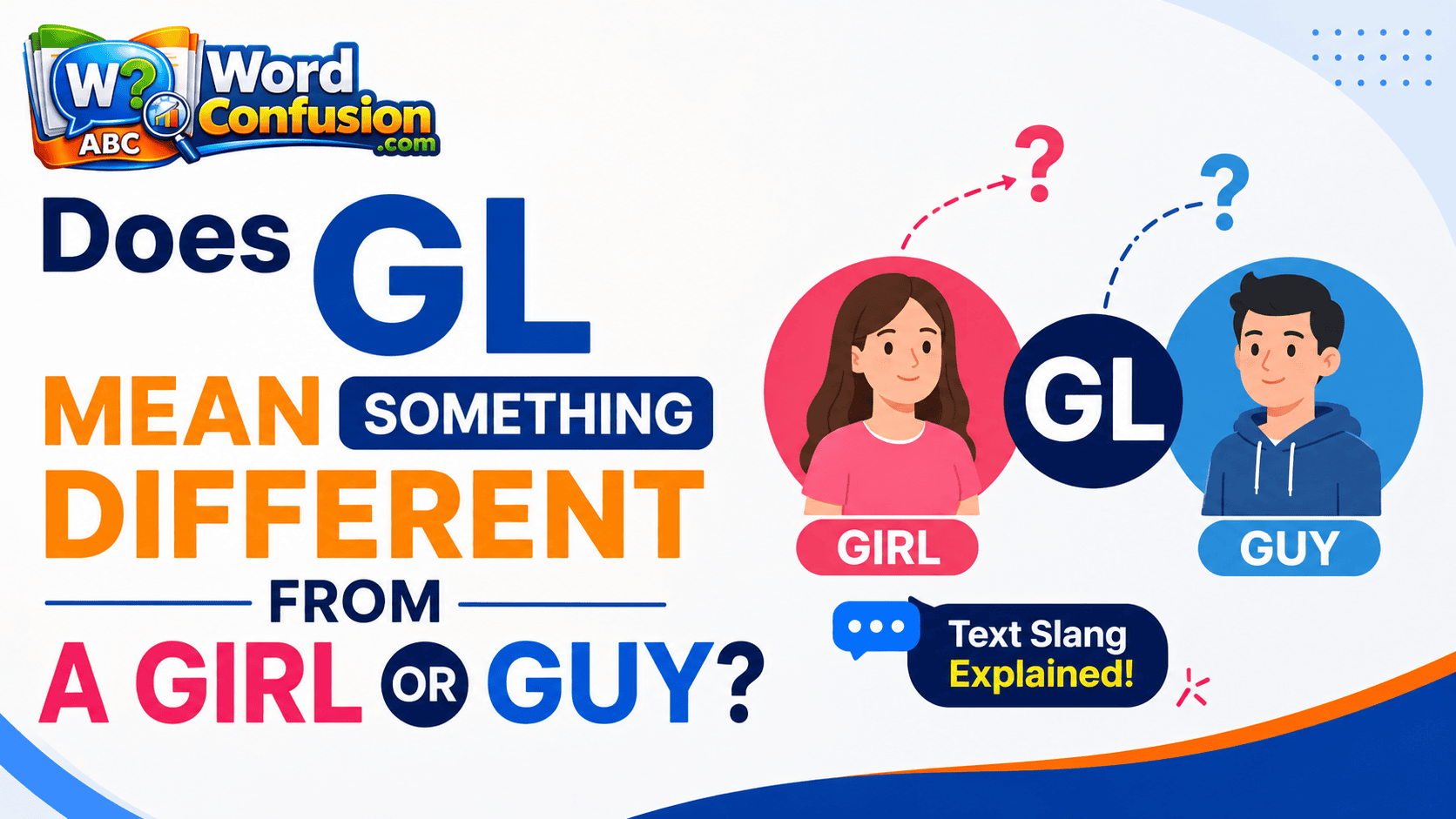
What Does DTTM Mean From a Girl or a Guy?
The meaning of DTTM does not change based on whether a girl or a guy sends it.
If someone sends you DTTM, focus on the conversation and tone, not the sender’s gender.
For example, if someone has been arguing with you and suddenly writes:
“DTTM.”
they may genuinely want space.
If a close friend sends:
“DTTM 😂”
after you make a joke, it may simply be playful banter.
The same abbreviation can communicate different emotions in different situations.
📖 See also:IGHT Meaning in Text: What Does IGHT Mean in Chat?
DTTM on Snapchat, Instagram, TikTok, and Other Platforms
👉DTTM can appear across different social platforms, but the basic texting meaning remains the same.
DTTM on Snapchat
In a casual Snapchat conversation, DTTM generally means “Don’t Talk To Me.” The tone depends on the conversation.
DTTM on Instagram
On Instagram, you might see DTTM in direct messages, comments, or replies. It can be serious or playful depending on the interaction.
DTTM on TikTok
In TikTok comments or private messages, DTTM may be used as a humorous reaction, especially when someone is exaggerating annoyance.
DTTM in Group Chats
Group chats can make DTTM especially ambiguous because several people may be joking at the same time. Look at the messages immediately before it to understand the intended tone.
The platform itself usually doesn’t change the core meaning. Context does.
DTTM vs. Similar Text Abbreviations
👉DTTM can be confused with other abbreviations because several of them involve ending or pausing a conversation.
| Abbreviation | Meaning | Main Purpose | Typical Tone |
| DTTM | Don’t Talk To Me | Asking for space | Direct |
| TTYL | Talk To You Later | Ending a conversation temporarily | Friendly |
| BRB | Be Right Back | Temporarily leaving | Neutral |
| GTG | Got To Go | Leaving a conversation | Neutral |
| MYOB | Mind Your Own Business | Telling someone not to interfere | Direct |
| NVM | Never Mind | Dropping a topic or request | Casual |
DTTM vs. TTYL
DTTM tells someone not to talk to you.
TTYL simply means you’ll talk to them later.
For example:
“DTTM. I need some space.”
means the person currently doesn’t want to communicate.
“TTYL, I have to go.”
means the conversation is ending for now, but the person expects to talk again later.
DTTM vs. BRB
BRB means “Be Right Back.”
It normally indicates a temporary absence, not frustration or a desire for personal space.
“BRB, grabbing some water.”
DTTM has a much more direct emotional meaning.
DTTM vs. MYOB
MYOB means “Mind Your Own Business.”
Both can sound defensive, but they serve different purposes.
- DTTM → Don’t talk to me.
- MYOB → Don’t interfere in my business.
How Should You Respond When Someone Sends DTTM?
The best response depends on whether the message sounds serious or playful.
If They Clearly Want Space
Respect the request.
A simple response could be:
“Understood. I’ll give you some space.”
Then stop messaging for a while.
If You’re Unsure
You can respond calmly:
“Okay. Let me know when you’re ready to talk.”
This acknowledges their message without escalating the situation.
If It Clearly Seems Like a Joke
If you’re close friends and the conversation is obviously playful, you can respond with similar humor.
For example:
“Fine, I’ll take my fries and leave 😂”
Only do this when you’re confident the person is joking.
What to Avoid
If someone appears genuinely upset, avoid:
- Sending multiple follow-up messages.
- Demanding an explanation immediately.
- Responding with another insult.
- Mocking their request for space.
- Assuming they’re joking without considering the context.
Sometimes the best response to DTTM is simply to give the person the space they’re asking for.
📖 See also:30+ Other Ways to Say “Have a Good Day” (Polite & Friendly)
Can DTTM Be Used Professionally?
Generally, no.
DTTM is casual shorthand, and its direct wording can easily sound disrespectful or hostile in professional communication.
Avoid using it in:
- Work emails
- Client messages
- Business proposals
- Academic writing
- Formal letters
- Job applications
- Customer-service communication
If you need to communicate the same idea professionally, use a clearer and more neutral sentence.
For example:
“I’d prefer to discuss this later.”
or:
“I need some time before we continue this conversation.”
These alternatives communicate the need for space without sounding unnecessarily harsh.
Can DTTM Have Other Meanings?
Yes. Like many abbreviations, DTTM can potentially have other meanings in specialized contexts.
However, when someone uses DTTM in casual texting or online chat, “Don’t Talk To Me” is the meaning to consider first.
If you encounter DTTM in a technical, professional, academic, or organizational document, don’t automatically assume it refers to texting slang. Check the surrounding subject matter.
This is an important general rule for abbreviations: context determines meaning.
Common Mistakes When Interpreting DTTM
1. Assuming DTTM Always Means Anger
Not necessarily.
A close friend may use it jokingly, while someone in an argument may mean it seriously.
2. Assuming DTTM Always Means the Relationship Is Over
DTTM usually expresses a desire for space at that moment. It doesn’t automatically mean that someone wants to permanently end a friendship or relationship.
3. Ignoring Emojis and Punctuation
Compare:
“DTTM.”
with:
“DTTM 😂”
The surrounding cues can change how the message is understood.
4. Using DTTM With Everyone
Because the phrase is direct and informal, it isn’t suitable for every audience.
If you’re unsure whether someone will understand your tone, use a clearer sentence.
Frequently Asked Questions
What does DTTM mean in text messages?
DTTM usually means “Don’t Talk To Me.” It is an informal texting abbreviation used to ask someone for space or express annoyance, frustration, or playful irritation.
What does DTTM stand for in texting?
DTTM stands for “Don’t Talk To Me.” It is commonly used in casual text messages, chats, and social media conversations.
Is DTTM a slang word?
DTTM is better described as an informal texting abbreviation or initialism. It can function as internet slang when used casually online.
Is DTTM rude?
It can sound rude because “Don’t Talk To Me” is direct. However, close friends may use DTTM jokingly. The context and relationship between the people determine the tone.
What does DTTM mean on Snapchat?
On Snapchat, DTTM generally means “Don’t Talk To Me.” Whether it is serious or playful depends on the surrounding conversation.
Can DTTM be used jokingly?
Yes. Friends sometimes use DTTM as playful exaggeration.
For example:
“You ate my snacks? DTTM 😂”
In that context, the sender probably isn’t genuinely angry.
What should I reply when someone says DTTM?
If they seem serious, respect their request for space. A simple response such as “Okay, I’ll give you some space” is appropriate. If the message clearly appears playful, you can respond in a similarly lighthearted way.
Is DTTM formal or informal?
DTTM is informal. It is suitable for casual texting and online conversations but should generally be avoided in professional or academic writing.
Can I use DTTM in a professional email?
No. It’s better to write the complete idea in a professional email, such as “I’d prefer to discuss this later” or “I need some time before we continue this conversation.”
What is the difference between DTTM and TTYL?
DTTM means “Don’t Talk To Me” and asks for space. TTYL means “Talk To You Later” and usually indicates that the conversation will continue at another time.
What does DTTM mean from a girl or a guy?
The basic meaning is the same regardless of who sends it: “Don’t Talk To Me.” The sender’s gender does not determine the meaning. Context and tone are much more important.
📖 See also:30+ Other Ways to Say “Safe Travels” (Formal, Warm & Casual)
Key Takeaways
- DTTM usually means “Don’t Talk To Me.”
- It is an informal texting abbreviation.
- It can express a genuine need for space, frustration, annoyance, or playful exaggeration.
- DTTM can sound rude when used seriously or without context.
- Emojis, punctuation, and the relationship between the people can change its tone.
- DTTM is different from TTYL, BRB, and GTG, which generally indicate a temporary departure rather than a request to stop talking.
- Avoid DTTM in professional and academic communication.
- If someone uses DTTM seriously, the safest response is to respect their request for space.
- The meaning does not change based on whether the sender is a girl or a guy.
Final Answer: What Does DTTM Mean in Text?
DTTM means “Don’t Talk To Me” in texting and online chat. It is an informal abbreviation that can communicate a request for space, frustration, annoyance, or playful irritation.
The most important thing to remember is that tone depends on context. “DTTM.” from someone you’re arguing with may be a genuine request to stop communicating, while “DTTM 😂” from a close friend may simply be a joke.
So, before reacting, look at the conversation around the abbreviation. If the sender appears serious, give them the space they’re asking for. If the context is clearly playful, the message may not be as harsh as it first appears.
For more practical explanations of English vocabulary, grammar, word meanings, and texting abbreviations, explore WordConfusion.
Written by
 Abdul Moeed
Abdul Moeed is a professional content writer and SEO link-building specialist with 5+ years of experience. He creates search-optimized content and develops effective SEO strategies that improve website visibility, authority, and organic growth.
View LinkedIn profileLatest posts
 What Does PG Mean in Text? Meaning, Examples & Usage
 What Does OFCC Mean in Text? Meaning, Uses & Examples
 What Does MSG Mean in Text? Meaning, Examples & Usage
 What Does STY Mean in Text? Meaning, Examples & Usage
 What Does “Twin” Mean in Slang? Meaning, Text & Examples
 What Does LMC Mean in Text? Meaning, Examples & Usage